
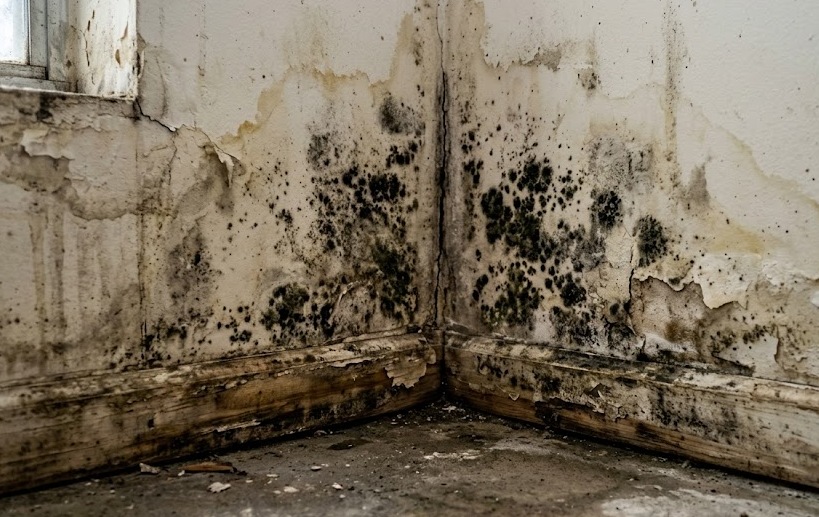
If your Spokane home has had any kind of water intrusion in the past few weeks – a leaky pipe, a flooded basement, a slow roof leak you kept meaning to check – there’s a good chance mold has already started growing somewhere you can’t see. Mold doesn’t wait for a convenient time. It can begin colonizing damp material within 24 to 48 hours, and by the time you notice a musty smell or a discolored patch on the wall, it’s often already spread further than it appears.
This guide walks through how to spot early mold growth, why it matters for your health, and when it’s time to bring in a professional instead of handling it yourself.
Why Mold Shows Up So Fast After Water Damage
Mold spores are already present in nearly every home – they’re part of the natural environment, floating in outdoor and indoor air alike. The only thing missing, most of the time, is moisture. The moment a surface stays wet for more than a day or two, those spores have exactly what they need to start growing.
This is why water damage and mold are almost always linked. A burst pipe or water pipe break that isn’t dried out properly, a flooded basement that sits for even a few days, or persistent moisture behind drywall from a hidden leak can all turn into a mold problem far more expensive than the original damage.
Spokane‘s climate adds another layer to this. Cold winters bring burst-pipe risk, and homes with finished basements or older insulation can trap humidity in places nobody checks regularly – crawlspaces, attics, behind cabinets, under flooring.
Common Signs of Mold Growth to Watch For
Mold isn’t always the obvious black or green patch people picture. Early signs are often subtle:
- A musty or earthy smell, especially in basements, closets, or bathrooms, even when nothing looks visibly wrong.
- Discoloration on walls or ceilings – spots that are dark, greenish, or have a fuzzy texture.
- Peeling paint or bubbling drywall, which usually means moisture is trapped underneath.
- Condensation on windows or pipes that keeps returning even after wiping it down.
- Warped or soft flooring, particularly near a hardwood or wood floor water damage area.
- Increased allergy symptoms at home that improve when you’re elsewhere
If you’ve had any recent water event and notice even one of these signs, it’s worth investigating right away rather than waiting to see if it gets worse.
The Health Risks Nobody Should Ignore
Mold exposure affects different people differently, but it isn’t something to shrug off. According to CDC guidance on mold, the people at greatest risk include infants and children, older adults, and anyone with asthma, allergies, or a weakened immune system – but even healthy adults can develop symptoms with prolonged exposure.
s with prolonged exposure.
Common effects include:
- Sneezing, coughing, and nasal congestion
- Itchy or watery eyes
- Skin irritation
- Wheezing and worsened asthma symptoms
- Persistent fatigue or headaches in cases of long-term exposure
If anyone in your household has noticed unexplained respiratory symptoms that seem to improve away from home, mold is worth ruling out – especially if there’s been any water damage in the past few months, even damage you thought was fully dried out.
DIY Cleanup vs. Calling a Specialist
Small, isolated mold spots – say, a patch smaller than about 10 square feet on a non-porous surface — can sometimes be cleaned by a homeowner using proper protective equipment and standard cleaning solutions. But there are clear situations where DIY isn’t enough:
- The mold covers a large area or keeps returning after cleaning
- It’s growing inside walls, under flooring, or in the HVAC system
- The source of moisture hasn’t been fully identified or fixed
- Someone in the home has asthma, allergies, or a compromised immune system
- You’re not sure how long the moisture has been present
In these cases, a proper mold inspection and testing is the right first step. It identifies exactly where mold is growing – including hidden pockets behind walls or under subfloors – and how far it’s spread, so the cleanup actually addresses the whole problem instead of just the visible part.
For anything beyond a small, contained spot, professional mold remediation services use containment procedures, HEPA filtration, and moisture control equipment to remove mold safely without spreading spores to unaffected parts of the home. This matters more than people realize – improper DIY removal can actually make an infestation worse by disturbing spores and pushing them into the air.
Preventing Mold From Coming Back
Once the current problem is resolved, a few habits go a long way toward preventing a repeat:
- Fix leaks – even small, slow ones – as soon as you notice them
- Keep indoor humidity between 30–50%, using a dehumidifier if needed
- Ensure bathrooms, kitchens, and laundry areas are properly ventilated
- Check crawlspaces and attics periodically for hidden moisture
- After any flooding or major leak, dry the area completely within 24–48 hours
- Schedule a water damage inspection after any significant water event, even if things look dry on the surface.
Mold after water damage isn’t just a cosmetic issue – it’s a health and structural concern that tends to get worse the longer it’s left alone. If you’ve recently dealt with water damage of any kind, or you’re noticing musty smells, discoloration, or unexplained allergy symptoms at home, it’s worth having it properly assessed. Catching it early is almost always faster, cheaper, and safer than dealing with a full-blown infestation later.
Leave a Reply