
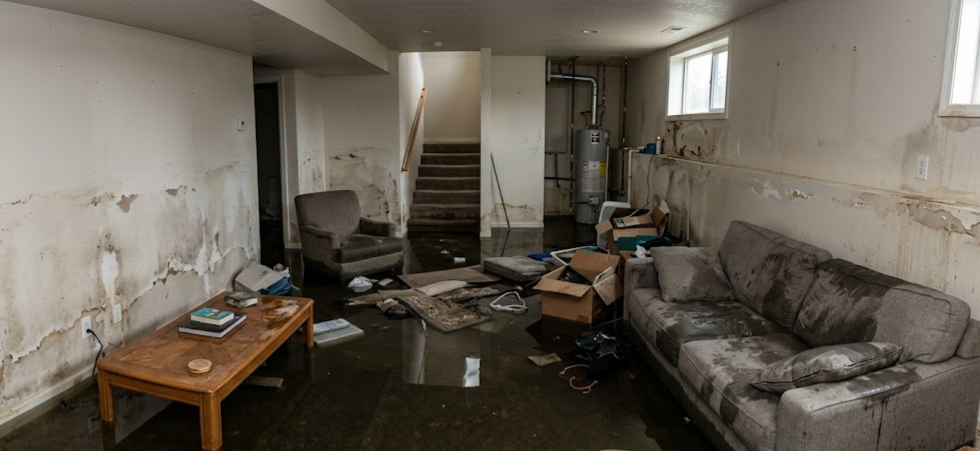
Imagine coming home after a heavy Spokane rainstorm to find your basement underwater-soggy carpets, ruined belongings, and that musty smell starting to set in. It’s a nightmare that strikes many homeowners in our area, especially with our unpredictable Pacific Northwest weather. At Spokane Water Damage, we’ve helped countless families and businesses tackle this exact issue, restoring their properties to pre-flood condition efficiently. In this guide, we’ll walk you through everything you need to know about basement flood cleanup in Spokane, from immediate actions to long-term prevention. Whether it’s a burst pipe or flash flooding from the Spokane River, understanding the process can save you time, money, and stress. Stick with us as we break it down step by step, drawing on our years of local expertise to ensure your home stays safe and dry.
Understanding Basement Flood Cleanup in Spokane
Basement floods in Spokane aren’t just inconvenient-they can lead to serious structural damage, mold growth, and health hazards if not addressed promptly. At its core, basement flood cleanup involves removing water, drying the space, and repairing any damage to prevent future issues. But why does this happen so often here? Spokane’s climate plays a big role: heavy seasonal rains, snowmelt from nearby mountains, and even the clay-rich soil in neighborhoods like Indian Trail can cause groundwater to seep into basements.
The process starts with water extraction, where powerful pumps and vacuums remove standing water. This is crucial because even a few inches can weigh hundreds of pounds and compromise your foundation. Next comes assessing hidden damage-water can wick up walls or saturate insulation, leading to rot in wooden beams. In Spokane, local building codes require specific handling of sewage backups, which are common during intense storms.
Here’s a breakdown of key steps in professional basement flood cleanup:
- Initial Assessment: Technicians inspect for the water source and category (clean, gray, or black water). Black water from sewers poses the highest contamination risk.
- Water Removal: Using industrial-grade equipment to extract up to thousands of gallons per hour, minimizing saturation time.
- Drying and Dehumidification: High-powered fans and dehumidifiers run for days to evaporate moisture, preventing warping in floors or walls.
- Cleaning and Sanitizing: Antimicrobial treatments kill bacteria and mold spores, essential in humid Spokane basements.
- Restoration: Repairing drywall, flooring, and contents, often involving specialized services like document drying & restoration.
In our experience at Spokane Water Damage, delays in extraction can double repair costs- we’ve seen basements in Lincoln Heights go from minor floods to major overhauls due to overlooked moisture pockets. Understanding these elements empowers you to act fast, but for complex cases, pros ensure compliance with Washington state regulations on waste disposal and structural integrity.
Spokane’s older homes, built in the mid-20th century, often lack modern sump pumps, making them prone to flooding from the Little Spokane River overflows. Technical terms like ‘psychrometrics’-the science of drying-might sound intimidating, but it simply means controlling temperature, humidity, and airflow to mimic ideal conditions. We’ve applied this in hundreds of jobs, restoring not just spaces but peace of mind for residents in areas like Audubon.
Step-by-Step Guide to Basement Flood Cleanup in Spokane
Tackling a basement flood yourself can be overwhelming, but with the right approach, you can mitigate damage before pros arrive. Start by ensuring safety: turn off electricity to the basement to avoid shocks, and ventilate if possible without spreading contaminants. In Spokane, where winter floods from frozen pipes are common, timing is everything—act within the first 24-48 hours to limit mold.
Here’s a practical how-to for effective cleanup:
- Stop the Source: Identify and halt the water entry. For pipe bursts, shut off your main valve; for external flooding, clear gutters clogged with fall leaves, a frequent issue in Bemiss.
- Remove Water: Rent or borrow a wet/dry vacuum for small floods, but for larger ones, call for truck-mounted extractors. Aim to remove water below the floor level quickly.
- Salvage Belongings: Move furniture and valuables to higher ground. Porous items like carpets may need discarding if soaked in contaminated water.
- Dry Thoroughly: Set up fans and dehumidifiers; open windows on dry days, but watch Spokane’s variable humidity. Use a moisture meter to check levels-under 15% is ideal.
- Clean and Disinfect: Scrub surfaces with a bleach solution (1 cup per gallon of water), but wear protective gear. For mold-prone areas, consider basement mold cleanup services.
- Monitor and Prevent: Install sump pumps or French drains, tailored to Spokane’s soil types. Local regulations may require permits for major alterations.
Pro Tip: In Spokane’s rainy springs, always perform moisture mapping after cleanup-it’s an insider secret to detect hidden leaks behind walls, preventing costly future floods. We’ve saved clients thousands by catching these early.
Local factors amplify the need for vigilance: Spokane’s zoning in flood-prone zones like near the river demands elevated HVAC systems during restoration. For businesses, downtime from floods can hit hard, so integrate cleanup with foundation stabilization if shifting occurs. These steps, combined with our local knowledge, make recovery smoother.
Common Mistakes in Basement Flood Cleanup and How to Avoid Them
Homeowners in Spokane often underestimate basement floods, leading to bigger problems down the line. One major error is ignoring the water source-pumping out standing water without fixing a leaky pipe or poor drainage invites recurrence, especially with our clay soils that hold water.
Another pitfall: delaying professional help. DIY drying with household fans might seem cost-effective, but it prolongs moisture, fostering mold that can spread to living areas and cause respiratory issues. We’ve responded to cases in Logan where improper cleanup led to $10,000+ in mold remediation bills.
Skipping sanitization is risky too-contaminated water carries pathogens, and without proper treatment, it can contaminate your home’s air. Financially, this means higher insurance premiums or denied claims if not documented correctly. Overlooking structural checks, like foundation cracks widened by water pressure, can lead to collapses in extreme weather.
Business owners err by not planning for commercial-scale floods; using residential methods on larger spaces results in prolonged closures. Safety-wise, entering flooded basements without gear risks slips, electrocution, or exposure to hazards like asbestos in older Spokane homes.
To sidestep these, document everything with photos for insurance, and consult experts early. At Spokane Water Damage, we’ve seen these mistakes turn minor incidents into major liabilities-avoid them by prioritizing thorough, informed action.
Wrapping Up: Protect Your Spokane Basement Today
Basement floods in Spokane can be devastating, but with quick water removal, proper drying, cleaning, and prevention, you can bounce back stronger. Key takeaways include acting fast to extract water, using the right tools for drying, avoiding DIY pitfalls like incomplete sanitization, and considering local factors like our wet climate.
If the cleanup feels overwhelming or involves sewage or extensive damage, let the professionals handle it. Spokane Water Damage has the equipment, certifications, and local know-how to restore your space efficiently, from Logan to Bemiss. We’re committed to your home’s safety and your peace of mind.
Need help with basement flood cleanup in Spokane? Call Spokane Water Damage today at (509) 730-2838.
Leave a Reply