
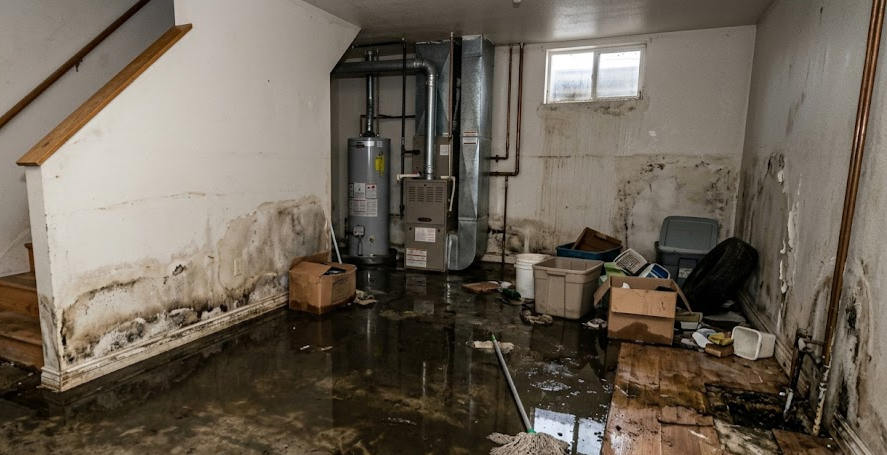
Imagine returning home after a long day in Spokane only to be hit with the overwhelming stench and sight of sewage overflowing from your drains. This nightmare scenario isn’t uncommon in our city, especially during heavy rains or when aging sewer lines give way under the pressure of Spokane’s variable weather. Sewage backups pose immediate dangers to your health and property, contaminating everything they touch with harmful bacteria and pathogens. At Spokane Water Damage, we’ve responded to countless such emergencies across neighborhoods like Lincoln Heights and beyond, helping families and businesses reclaim their spaces swiftly and safely. In this guide, we’ll break down the essentials of sewage backup cleanup, from understanding the risks to implementing effective solutions. Whether you’re dealing with a minor overflow or a major catastrophe, knowing what to do can prevent costly damage and long-term health issues. Stick with us as we explore emergency strategies tailored to Spokane’s unique challenges, empowering you to act confidently when disaster strikes.
Understanding Sewage Backup: Causes, Impacts, and Emergency Cleanup in Spokane, WA
Sewage backups occur when wastewater from toilets, sinks, or drains reverses flow into your home or business, often due to blockages, tree root intrusions, or failures in the municipal sewer system. In Spokane, WA, these incidents spike during the wet seasons when heavy rainfall overwhelms the city’s aging infrastructure, particularly in older neighborhoods with combined sewer systems. The result? A toxic mix of human waste, chemicals, and debris flooding living spaces, turning a simple plumbing issue into a hazardous environmental crisis.
Why is this such a big deal? Sewage contains biohazards like E. coli, hepatitis, and norovirus, which can spread rapidly through contact or airborne particles. Beyond health threats, the corrosive nature of sewage accelerates structural damage-think warped floors, mold growth in hidden corners, and weakened foundations. According to the EPA, Category 3 water damage from sewage requires professional intervention to mitigate contamination spread.
Here’s a breakdown of key elements in sewage backup scenarios:
- Common Causes in Spokane: Clogged pipes from grease buildup, tree roots invading lines (prevalent in areas like Moran Prairie), or external factors like flooding from the Spokane River overflows.
- Immediate Health Risks: Exposure leads to gastrointestinal illnesses, skin infections, and respiratory problems; vulnerable groups like children and the elderly face heightened dangers.
- Property Damage Timeline: Within hours, bacteria multiply; mold can appear in 24-48 hours, leading to thousands in repair costs if not addressed promptly.
- Regulatory Considerations: Spokane County health codes mandate proper disposal of contaminated materials, with fines for non-compliance.
In our experience at Spokane Water Damage, we’ve seen backups escalate quickly in Spokane’s clay-heavy soils, which exacerbate drainage issues. Our team uses specialized equipment like high-powered vacuums and antimicrobial treatments to contain and eliminate contaminants, ensuring compliance with IICRC standards. Understanding these factors is crucial-acting fast can limit exposure and restore your space without unnecessary demolition.
Emergency cleanup involves several steps: first, evacuation and containment to prevent cross-contamination; second, extraction of standing water using truck-mounted pumps; third, disinfection with EPA-approved agents. For Spokane residents, local factors like winter freezes can crack pipes, so seasonal inspections are vital. By grasping the ‘what’ and ‘why,’ you’re better equipped to protect your investment and well-being.
Step-by-Step Guide to Handling Sewage Backup Cleanup in Spokane
When sewage backs up, time is critical-don’t delay. Start by shutting off your home’s water supply to prevent further influx, and avoid using any plumbing fixtures. Ventilate the area if safe, but never attempt to clean without protective gear, as direct contact can lead to serious illness.
In Spokane, where sudden snowmelt or summer storms can trigger backups, tailor your response to local conditions. Older homes in districts like the East University District often have outdated pipes, making DIY fixes risky. Here’s actionable advice:
- Assess the Situation: Determine the scope- is it a single drain or widespread? Use a flashlight to check without touching; if sewage reaches electrical outlets, evacuate immediately and call emergency services.
- Contain the Spread: Place towels or sandbags at doorways to block flow. For basements common in Spokane’s hilly terrain, use a wet/dry shop vac for initial removal, but dispose of wastewater properly per local guidelines.
- Initial Cleaning: Wear gloves, goggles, and a mask (N95 or better). Wipe surfaces with a bleach solution (1 cup bleach per gallon of water), but only after water extraction. Avoid mixing chemicals, as fumes can be toxic.
- Professional Extraction: Rent or hire for submersible pumps to remove bulk sewage. In Spokane, companies like ours use HEPA-filtered systems to capture airborne pathogens.
- Drying and Decontamination: Use dehumidifiers and fans to dry out areas, preventing mold. Apply fogging disinfectants for hard-to-reach spots.
- Prevention Measures: Install backflow valves, especially if your property is near low-lying areas like the Riverside Neighborhood. Schedule annual inspections with a licensed plumber familiar with Spokane’s codes.
Local weather plays a role-prolonged dampness from Inland Northwest rains can foster bacterial growth, so prioritize drying within 24 hours. For businesses in high-traffic zones, comply with Washington State health regs by documenting cleanup.
Pro Tip: In Spokane’s variable climate, test your sump pump monthly during wet seasons. An ‘insider secret’ from our techs: Add a battery backup to ensure it works during power outages from storms, averting backups that could cost you thousands.
Following these steps minimizes risks, but for severe cases, pros ensure thorough remediation. Visit our About Us page to learn how our certified team handles these emergencies.
Pitfalls to Steer Clear of in Sewage Backup Response
Homeowners in Spokane often underestimate sewage backups, leading to amplified problems. A frequent mistake is attempting full DIY cleanup without expertise-many grab household cleaners, unaware that they don’t neutralize biohazards, allowing bacteria to linger and cause ongoing health issues like chronic respiratory problems.
Another error: Ignoring the source. Flushing drains with chemicals might temporarily clear a clog, but in Spokane’s root-prone soils, it can damage pipes further, resulting in repeated backups and escalating repair bills up to $10,000. Delaying professional help is risky too; waiting even a day lets mold take hold, turning a $2,000 cleanup into a $15,000 overhaul including drywall replacement.
Business owners in areas like East Central sometimes overlook documentation, facing insurance denials or fines from the Spokane Regional Health District for improper waste handling. Financially, skipping containment spreads contamination, hiking costs by 50% or more. Safety-wise, forgoing PPE exposes you to pathogens, with potential medical bills rivaling restoration expenses.
Avoid these by recognizing limits-call experts early. At Spokane Water Damage, we prevent these pitfalls through rapid response and comprehensive assessments, saving time and money.
Wrapping Up: Safeguard Your Spokane Property from Sewage Disasters
Sewage backups in Spokane demand swift, informed action to avert health hazards and property loss. We’ve covered the causes, emergency cleanup protocols, practical tips influenced by local weather and regs, and mistakes that amplify damage. Key takeaways: Prioritize safety with PPE, contain quickly, disinfect thoroughly, and prevent future issues with maintenance like backflow preventers.
While these steps empower you, complex backups often require pros to ensure complete safety and compliance. Spokane Water Damage stands ready as your local authority in water damage restoration, with years of experience tackling these crises head-on. For peace of mind, trust our IICRC-certified team to handle the heavy lifting.
Need help with sewage backup cleanup in Spokane, WA? Contact Spokane Water Damage today at (509) 730-2838.
Leave a Reply