
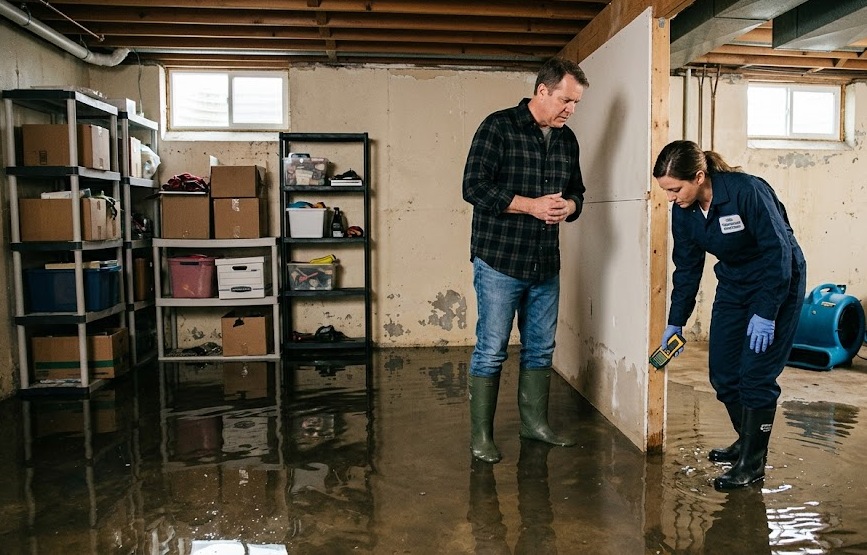
Imagine coming home after a heavy rainstorm in Spokane to find your basement underwater. The panic sets in as you realize the potential for costly repairs, mold growth, and structural issues. Basement flooding is a common nightmare in our area, especially with the region’s unpredictable weather patterns like sudden downpours and snowmelt. At Spokane Water Damage, we’ve helped countless homeowners navigate this crisis, turning overwhelming situations into manageable recoveries. This complete guide outlines the essential steps to take right after flooding occurs, empowering you to protect your property and health. Whether it’s a burst pipe or external water intrusion, acting quickly can save thousands in damages. We’ll cover everything from safety measures to professional restoration, tailored to Spokane’s unique climate and building standards.
Understanding Basement Flooding: What It Is and Why It Happens in Spokane
Basement flooding occurs when water enters your home’s lowest level, often due to heavy rainfall, sewer backups, or plumbing failures. In Spokane, WA, this issue is exacerbated by our semi-arid climate punctuated by intense Pacific Northwest storms. The Spokane River and nearby tributaries can overflow during spring thaws, while summer thunderstorms lead to rapid runoff on impermeable surfaces like driveways and roofs. Poor drainage around foundations, common in older homes in neighborhoods like Bemiss, amplifies the risk.
Why does this matter? Water damage isn’t just about wet carpets; it can compromise your home’s foundation, electrical systems, and air quality. Untreated flooding leads to mold proliferation within 24-48 hours, posing respiratory health risks. Structurally, water can weaken concrete walls and wooden supports, leading to costly repairs. According to local building codes, basements in Spokane must meet specific waterproofing standards, but many pre-1980s homes lack modern sump pumps or French drains.
Here’s a breakdown of common causes:
- Heavy Rainfall and Poor Drainage: Spokane’s clay-heavy soils don’t absorb water well, causing it to pool and seep into basements.
- Sewer Backups: Overloaded city sewers during peak rain events push water back into homes.
- Plumbing Issues: Frozen pipes in winter or leaks from water heaters are frequent culprits.
- Foundation Cracks: Settling soil in areas like Moran Prairie can create entry points for groundwater.
In our experience at Spokane Water Damage, we’ve seen flooding strike even well-maintained properties due to Spokane’s variable weather. For instance, a single storm can dump 2-3 inches of rain in hours, overwhelming outdated drainage systems. Early detection using tools like thermal imaging inspections can prevent minor issues from escalating. Understanding these factors helps you respond effectively, minimizing long-term impacts on your property value and safety.
Step-by-Step Guide: Practical Actions to Take After Basement Flooding
Once flooding is confirmed, your priority is safety and damage containment. In Spokane, where basements often serve as utility hubs, electrical hazards are a top concern. Start by turning off power to the affected area at the breaker box to avoid shocks—never wade through water near outlets. If the flooding is severe, evacuate and call emergency services if structural instability is suspected.
Next, assess the source. Is it clean water from a pipe burst or contaminated from sewers? This determines cleanup urgency. For Spokane residents, local regulations from the Spokane Regional Health District require proper sewage handling to prevent health code violations.
Actionable steps include:
- Document the Damage: Take photos and videos for insurance claims. Note water levels and affected items.
- Remove Water Promptly: Use wet-dry vacuums or pumps for shallow flooding. Rent equipment from local suppliers if needed.
- Ventilate the Area: Open windows and use fans to dry out the space, but only after power is safely off.
- Salvage Belongings: Prioritize non-porous items; move furniture to higher ground. For valuables, consider off-site contents storage to protect them during restoration.
Spokane’s cooler temperatures slow drying, so humidity from the Spokane River basin can prolong issues. Local housing types, like ranch-style homes in South Perry District, often have unfinished basements prone to rapid mold if not addressed.
Pro Tip: In Spokane’s variable climate, test your sump pump annually before winter. An insider secret from our team: Install a battery backup to ensure it works during power outages from storms—many floods worsen because pumps fail when the grid does.
If electronics are soaked, professional drying via electronics restoration can save devices. For businesses, flooding in office spaces requires swift action to resume operations; see our guide on office building damage restoration. These steps, combined with local knowledge, ensure a thorough recovery.
Common Mistakes Homeowners Make After Basement Flooding in Spokane
Rushing into cleanup without proper precautions is a frequent error. Many Spokane homeowners ignore electrical shutoffs, leading to shocks or fires—electrical damage from water can cost $5,000 or more to repair. Another pitfall is delaying professional help; DIY drying often misses hidden moisture, fostering mold that requires A/C fire restoration if it spreads to HVAC systems.
Ignoring contaminated water is risky too. Sewer backups, common in downtown areas like Downtown, carry bacteria and chemicals, posing health threats if not handled with PPE and disinfectants. Financially, skipping documentation weakens insurance claims, potentially leaving you out-of-pocket for thousands.
Overlooking structural checks is another mistake. In Spokane’s seismic zone, water-weakened foundations can fail during minor quakes. We’ve seen cases where ignored cracks led to $20,000+ in reinforcements. Finally, using household fans without dehumidifiers traps humidity, worsening mold in our damp climate. These errors not only amplify costs but endanger your family’s well-being—always prioritize safety and expertise.
Wrapping Up: Protect Your Spokane Home from Flood Aftermath
Basement flooding in Spokane demands quick, informed action: ensure safety, document everything, remove water efficiently, and avoid DIY pitfalls. By understanding local causes like heavy rains and poor drainage, you can mitigate damage and prevent mold or structural woes. Key takeaways include shutting off power immediately, ventilating properly, and seeking pros for complex issues.
If this feels overwhelming, Spokane Water Damage is here to guide you. With years of local experience, our team handles everything from initial assessment to full restoration, ensuring your home is safe and dry. Visit our about us page to learn more about our commitment to Spokane families. Need help with basement flooding in Spokane, WA? Call Spokane Water Damage today at (509) 730-2838.
Leave a Reply